Magnetic contact sensors form the backbone of both residential and commercial perimeter security systems. Despite the influx of complex radar and optical sensors, the simplicity, reliability, and cost-effectiveness of the magnetic reed switch remain unmatched for door and window monitoring.
This guide breaks down the physical mechanics of magnetic contacts, the critical distinction between normally open and normally closed configurations, and standard wiring practices required to build a tamper-resistant security loop.
How the Reed Switch Operates
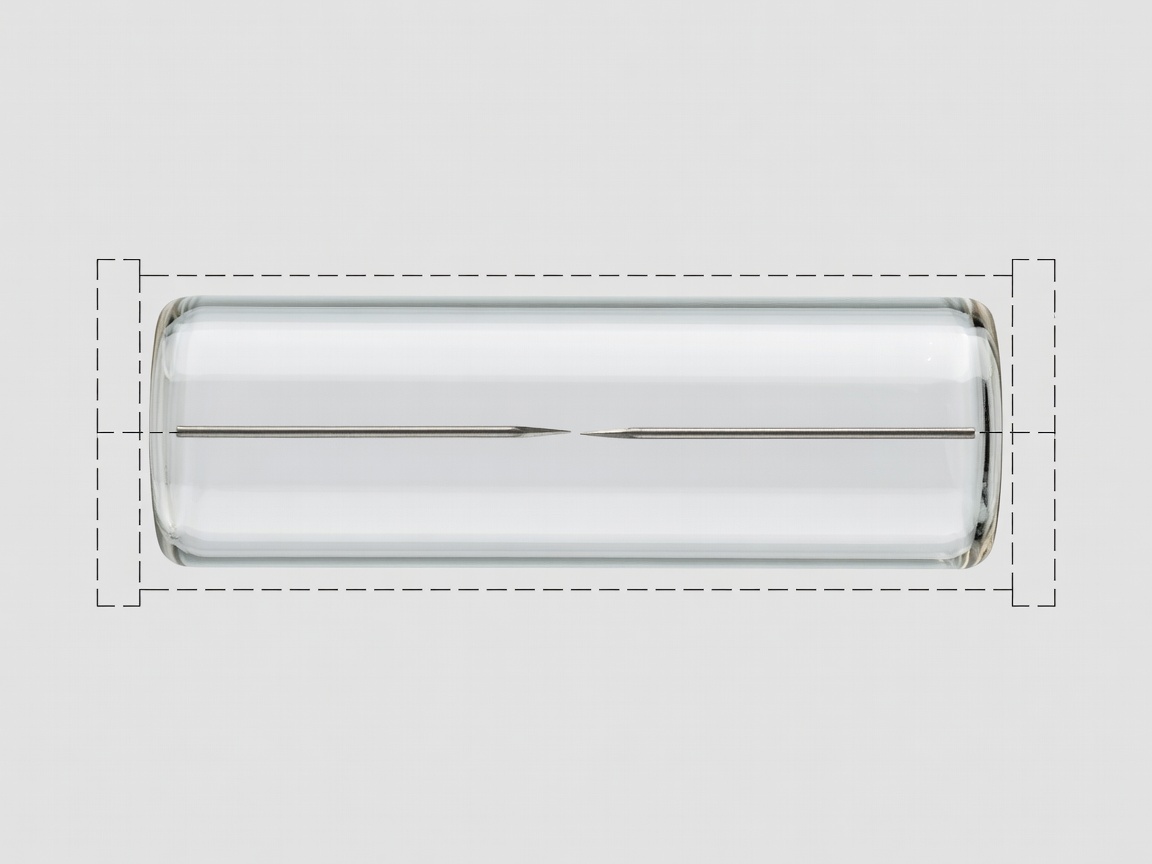
At the heart of every standard door sensor is a reed switch. Invented in the 1930s, a reed switch consists of two ferromagnetic flexible metal contacts (the reeds) sealed inside a glass envelope filled with inert gas. The inert gas prevents the oxidation of the contacts, allowing them to last for millions of cycles.
The sensor system comes in two parts:
- The Switch: Housed on the stationary door frame, wired back to the alarm control panel.
- The Magnet: Housed on the moving door itself.
When the door closes, the magnet aligns with the switch. The magnetic field draws the metal reeds together, completing an electrical circuit. When the door opens, the magnet moves away, the magnetic field dissipates, the reeds spring apart, and the circuit breaks. The control panel detects this broken circuit and triggers an event—such as a chime or an alarm.
Normally Closed (NC) vs. Normally Open (NO)
In the security industry, terminology can be notoriously counterintuitive. Understanding the difference between Normally Closed (NC) and Normally Open (NO) is critical for system integration.
| State | Definition in Security | Common Use Case |
|---|---|---|
| Normally Closed (NC) | The electrical circuit is closed (electricity flows) when the door is closed and the magnet is present. | Standard alarm systems. A cut wire will trigger an alarm (failsafe). |
| Normally Open (NO) | The electrical circuit is open (no flow) when the door is closed and the magnet is present. | Access control systems, HVAC monitoring, or specialized automation loops. |
| Single Pole Double Throw (SPDT) | Contains both NC and NO contacts. | Complex setups requiring a trigger to both a security panel and a local device (e.g., a siren or light). |
Most traditional burglar alarms utilize Normally Closed (NC) contacts. This design acts as a built-in tamper measure. If an intruder attempts to bypass the sensor by cutting the wire leading to it, the circuit breaks. The alarm panel cannot distinguish between a cut wire and an open door, so it trips the alarm.
End of Line (EOL) Resistors
While NC wiring catches wire cuts, it is vulnerable to short circuits. If an intruder strips the two wires leading to the sensor and twists them together, the circuit remains permanently closed, even if the door opens.
To combat this, commercial systems use End of Line (EOL) resistors. A specific resistor (often 2kΩ or 4.7kΩ) is wired in series with the switch, ideally housed physically inside the sensor casing on the door frame. The alarm panel measures the specific resistance. If the door opens, resistance goes to infinity (broken circuit). If the wire is shorted before the sensor, resistance drops to zero. The panel recognizes both infinity and zero as fault conditions, only showing "secure" when it reads the exact resistance of the EOL resistor.
Gap Tolerances and Materials
The "operating gap" is the maximum distance the magnet can be from the switch while still keeping the reeds closed. Standard residential contacts usually have an operating gap of ½ inch to ¾ inch. High-security environments may use sensors with a biased internal magnet that restricts the gap to less than ¼ inch to prevent tampering with external magnets.
Mounting materials heavily influence gap performance. Mounting a standard magnetic sensor directly onto a steel door will dissipate the magnetic field into the door frame, significantly reducing the operating gap and leading to false alarms. When dealing with steel doors, specialized commercial sensors or thick plastic standoffs must be used to isolate the magnet from the ferrous metal.
Conclusion
Magnetic contact sensors remain the primary line of defense in perimeter security because physical circuitry is difficult to defeat remotely. By understanding reed switch mechanics, standardizing on NC loops with EOL resistors, and managing gap tolerances against environmental materials, installers can ensure years of maintenance-free operation.