For high-end residential installations and architecturally sensitive commercial spaces, visible plastic boxes screwed to door frames are unacceptable. Recessed door sensors, also known as concealed or flush-mount contacts, solve this aesthetic issue by hiding completely within the door and frame.
While they provide a seamless look and offer superior protection against physical tampering, recessed sensors require precise carpentry, specialized drill bits, and a thorough understanding of building materials to install correctly.
The Anatomy of a Recessed Sensor
A standard recessed contact consists of two cylindrical components designed to be press-fit into drilled holes. The switch (wired back to the panel) is mounted in the door jamb, while the magnet is mounted directly opposite it in the top or side of the door leaf.
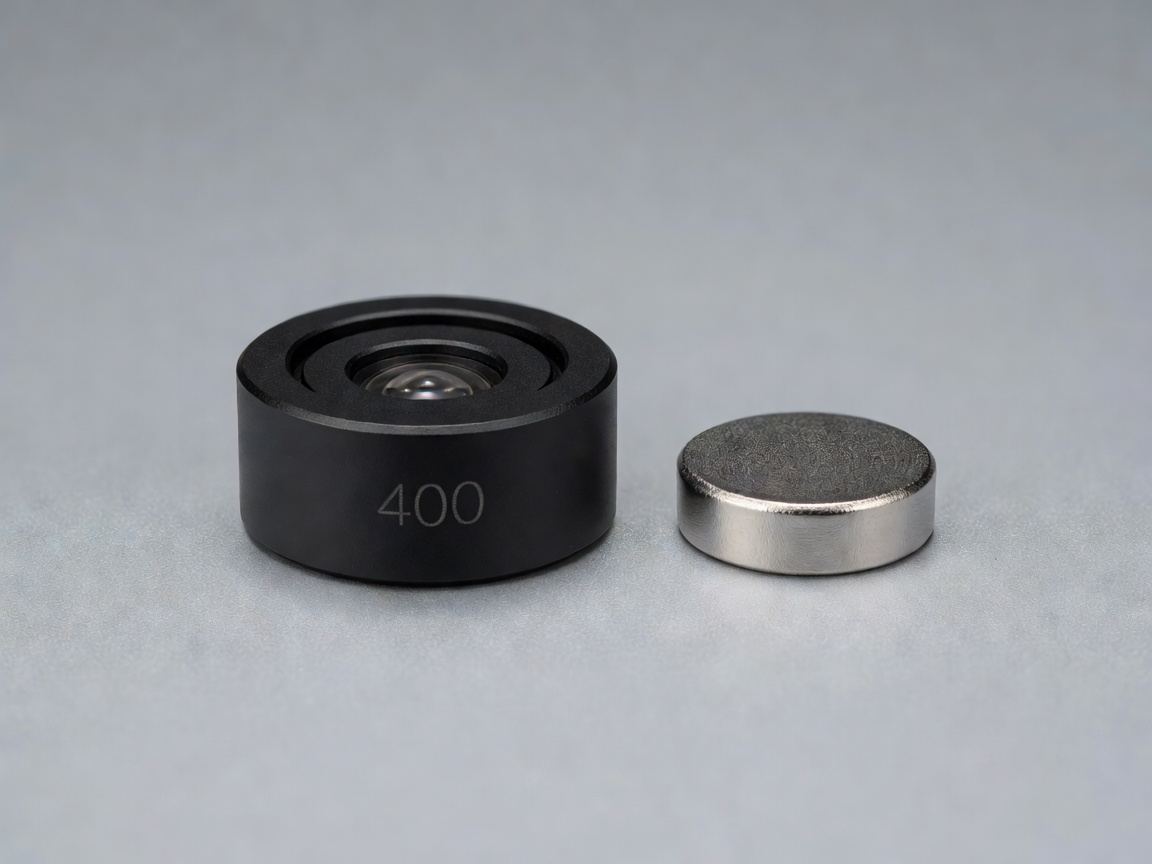
Typical dimensions range from 3/8-inch to 1-inch in diameter. The 3/8-inch size is considered standard for residential wood doors, as it removes minimal material, preserving the structural integrity of the door.
The Installation Process
Installing a recessed sensor requires significantly more labor than slapping on a surface-mount alternative. Misalignment by even a fraction of an inch can result in the magnet missing the reed switch entirely.
1. Planning and Placement
The standard location for a recessed sensor is on the top edge of the door, on the latch side (opposite the hinges). This location ensures the greatest physical separation between the magnet and the switch as soon as the door opens, resulting in faster alarm triggering. Furthermore, placing it on top of the door hides the magnet completely from view, even when the door is open.
2. Drilling the Jamb
Using a spade bit or a specialized installation bit, a hole is drilled straight up into the door frame headers to accommodate the wired switch. The installer must fish the alarm wire through the wall structure into this hole—a process that is drastically easier during new construction (pre-wiring) than retrofitting an existing building.
3. Drilling the Door
A corresponding hole is drilled into the top edge of the door. The alignment must be perfect. Installers often use a transfer punch or a small dab of lipstick on the installed switch to mark the exact contact point on the door leaf before drilling.
Material Constraints: Wood vs. Metal
The material of the door heavily dictates the type of recessed sensor you can use.
| Door Material | Sensor Requirement | Installation Notes |
|---|---|---|
| Solid Wood | Standard 3/8" or 3/4" press-fit | Easy to drill. Friction fit usually sufficient, though silicone can prevent slipping over time. |
| Hollow Core | Standard press-fit with adhesive | Drilling into the top rail is fine, but avoid drilling the sides as there is no material to hold the magnet. |
| Steel / Aluminum | Steel-door specific (wide gap) | Requires wide-gap sensors to overcome magnetic interference. Often requires a snap-in collar rather than friction fit. |
If a standard recessed magnet is installed in a steel door, the ferrous metal will absorb the magnetic flux. The field will not reach across the air gap to the switch in the frame, causing a permanent "open" condition on the alarm panel. Specialized steel-door sensors encapsulate the magnet in thick plastic shielding to direct the magnetic field outward toward the switch.
Security Benefits Beyond Aesthetics
While appearance is the primary driver for recessed contacts, security is a major secondary benefit. Surface-mounted sensors are vulnerable to being knocked off by passing carts or deliberately crushed by an intruder. Once a recessed sensor is installed and the door is closed, it is physically inaccessible. An intruder cannot see the sensor to bypass it with an external magnet, nor can they cut the wire, as it is routed entirely inside the wall cavity.
Conclusion
Recessed door sensors require a higher initial investment in labor and tooling. However, the result is a tamper-proof, invisible security perimeter that respects the architectural integrity of the building. For new builds and comprehensive renovations, pre-wiring for recessed contacts is considered an industry best practice.